

Small Actions. Lasting Change.
Climate action can start right in our own neighborhoods. Through Leaf Your Leaves, we encourage a simple climate-friendly practice: rethink what we do with fallen leaves.
Instead of treating leaves as waste, we can allow them to decompose naturally and become part of the landscape. Leaf litter provides habitat for insects and other small organisms, supports birds by providing food sources, and returns nutrients to the soil.
Small actions like leaving fallen leaves in your garden can become everyday practices that contribute to a more sustainable community.
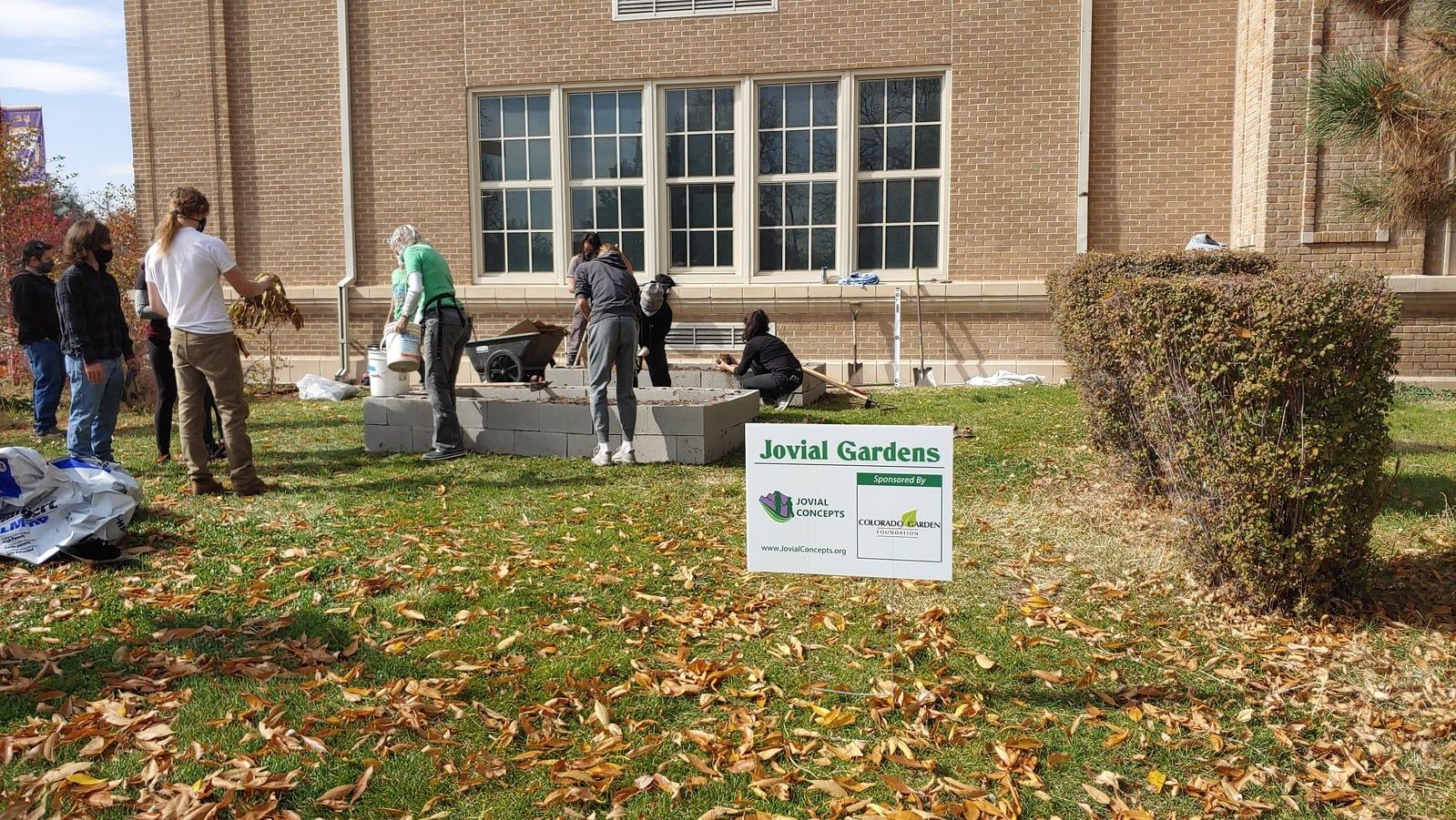
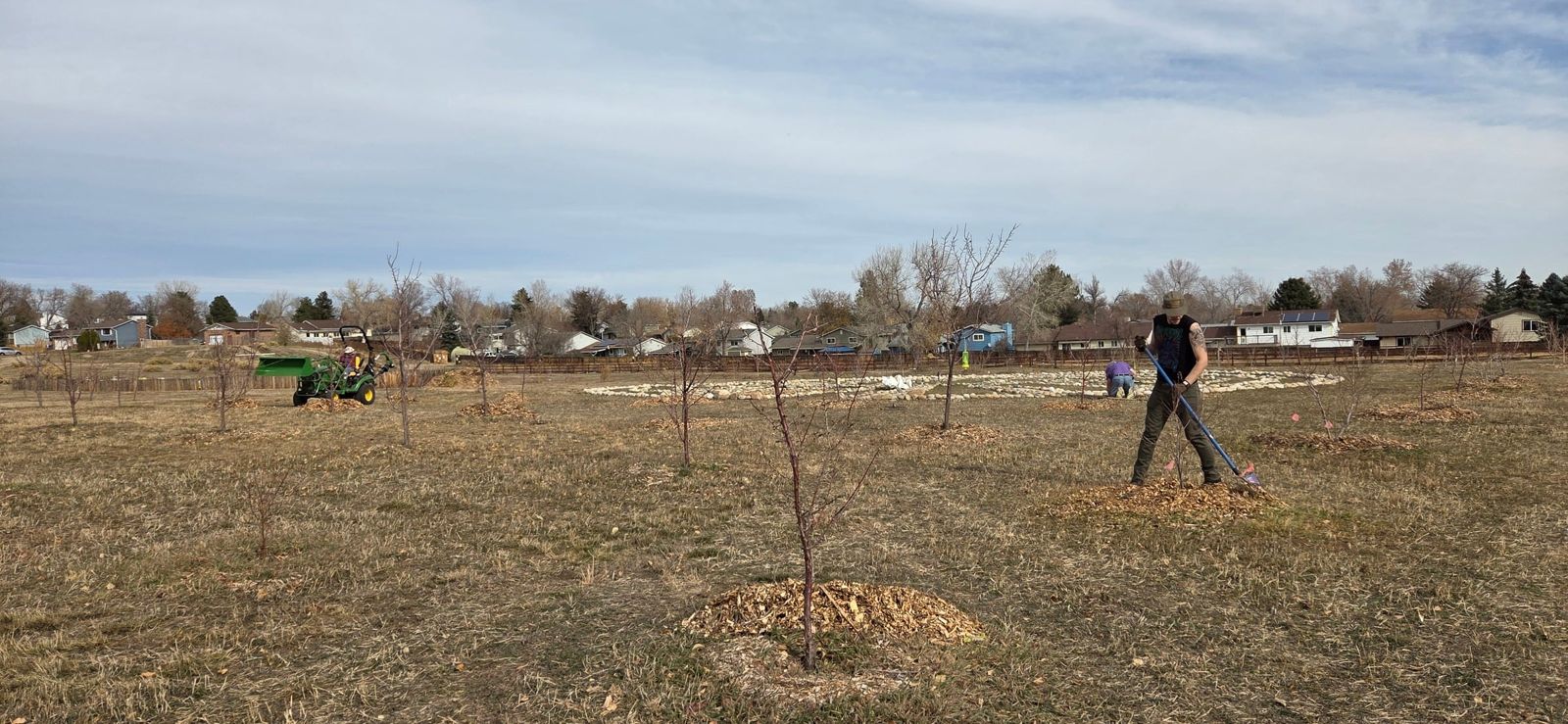
Nature Already Knows What to Do With Leaves
Fallen leaves are an important part of a healthy ecosystem. As they decompose, they:
- Return nutrients to the soil
- Help maintain soil moisture
- Support healthy soil organisms
- Provide habitat and protection for insects and other small creatures
- Create food sources for birds and other wildlife
- Contribute to healthier lawns, gardens, and landscapes
Leaf litter supports a diverse community of organisms, like worms, insects, fungi, and other invertebrates. Together, these organisms help cycle nutrients back into the soil.
Why Leave the Leaves
Every year, enormous amounts of fallen leaves are collected, bagged, loaded, and transported away from the places where they naturally belong.
That process takes fuel, energy, labor, bags, trucks, and landfill space to move an organic material that could instead decompose right where it falls.
When we leave appropriate leaf litter in place, we reduce the need to transport and dispose of it while allowing those leaves to continue providing habitat and nutrients where they are needed.
The most sustainable leaf is often the one we don’t have to move.
Leaves Benefit Everyone!
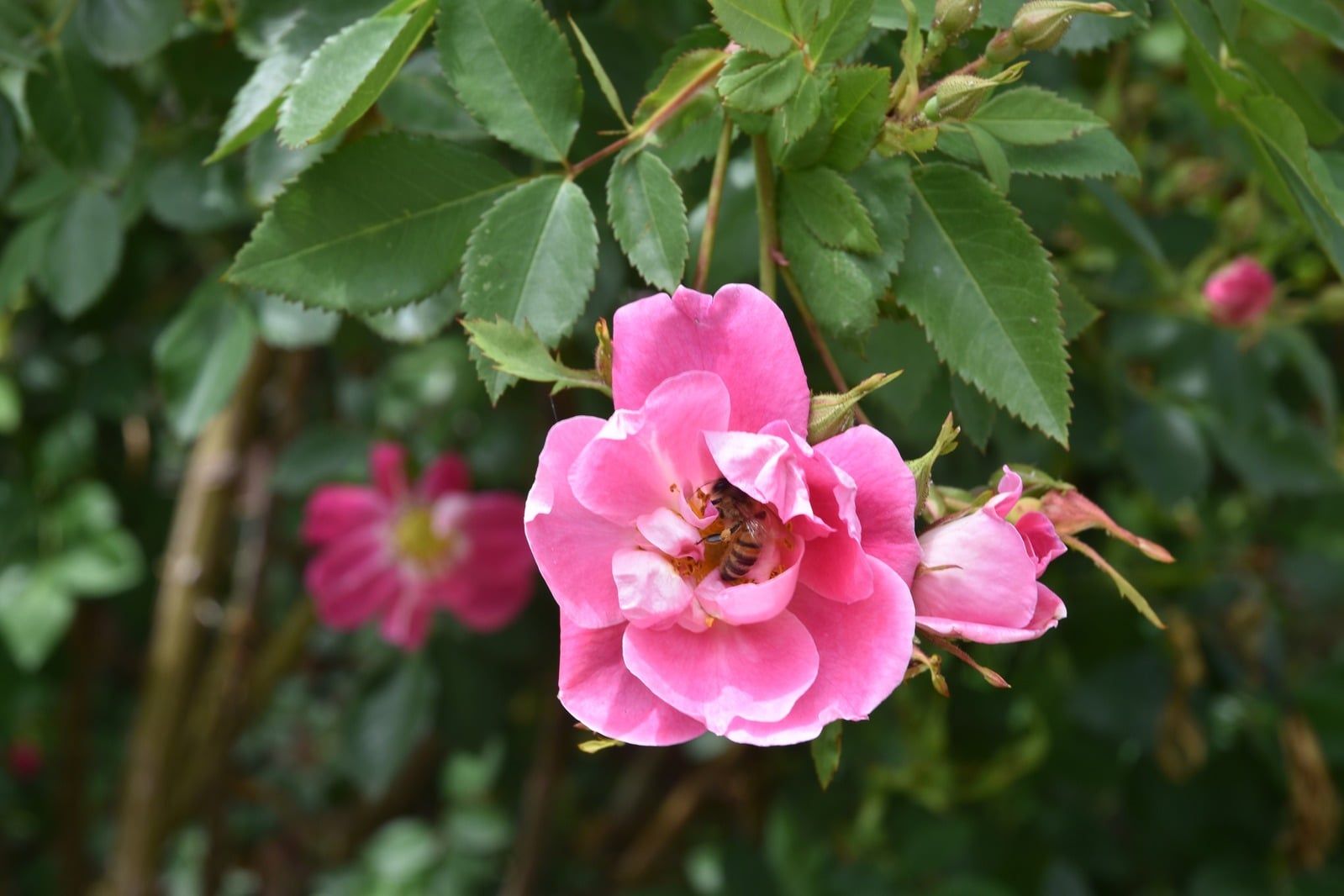
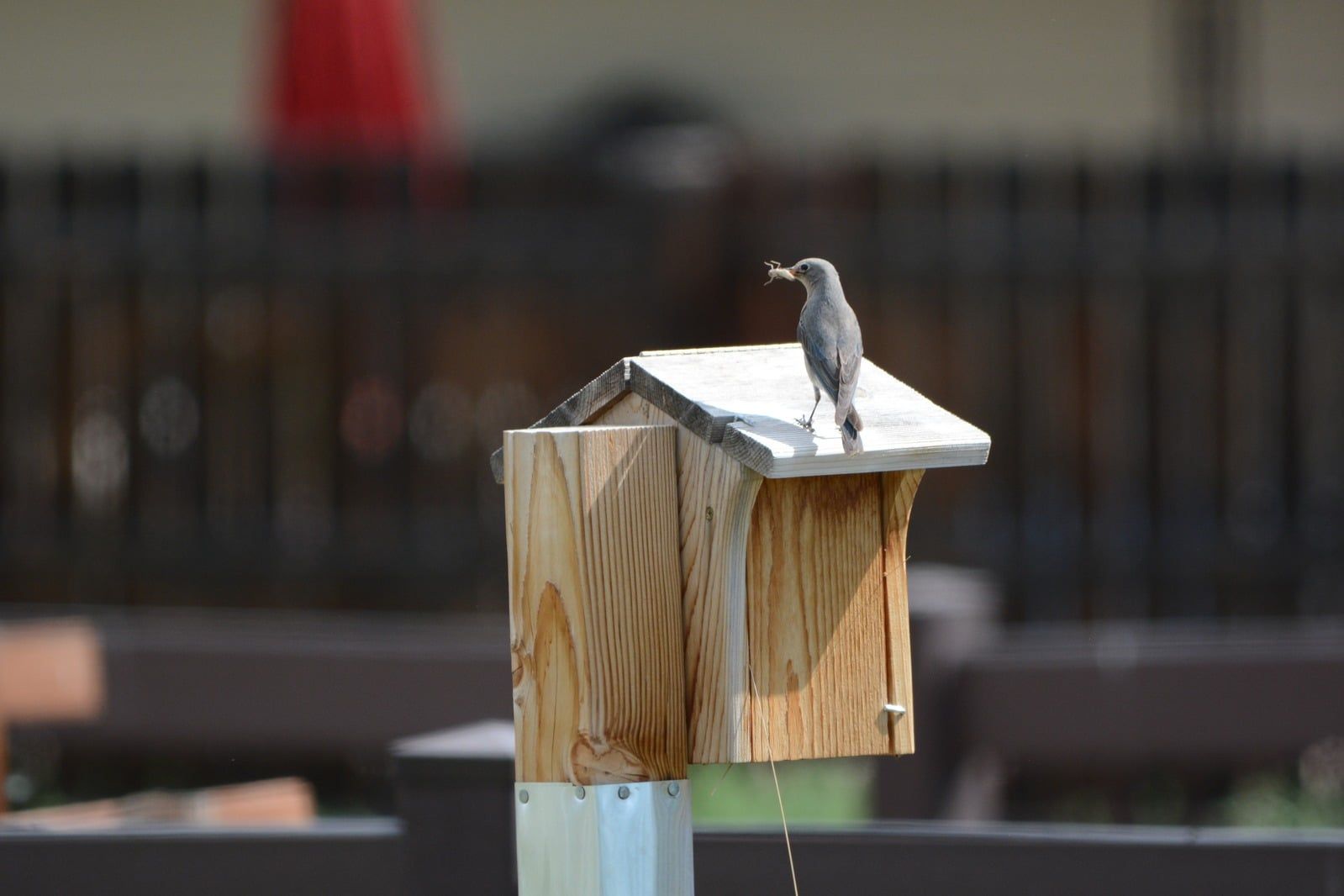
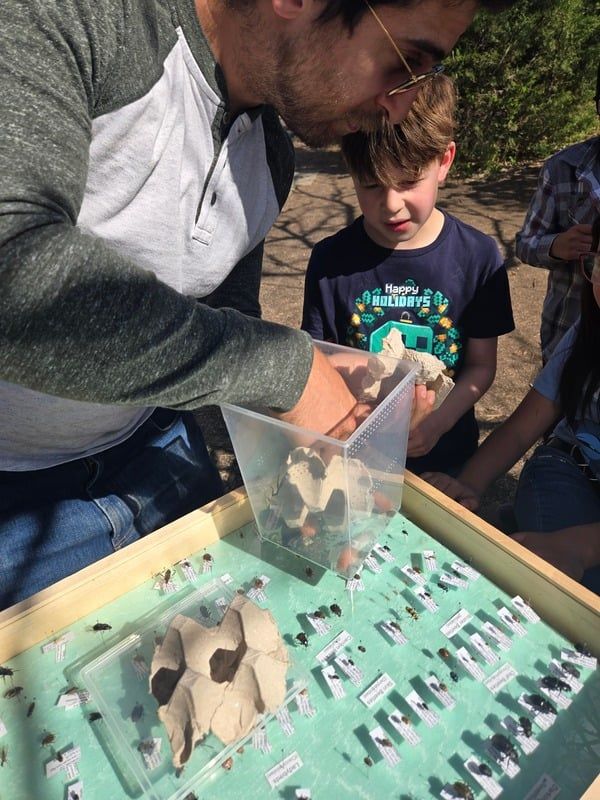
Leaving some leaf litter in our landscapes can provide important habitat for wildlife. By leaving leaves to decompose naturally, we support the small organisms that help keep our ecosystems functioning.
What Can We Do With Leaves?
There are several ways to keep fallen leaves working within our landscapes:
- Mow or shred them: Break leaves into smaller pieces so they can decompose and return nutrients to the soil.
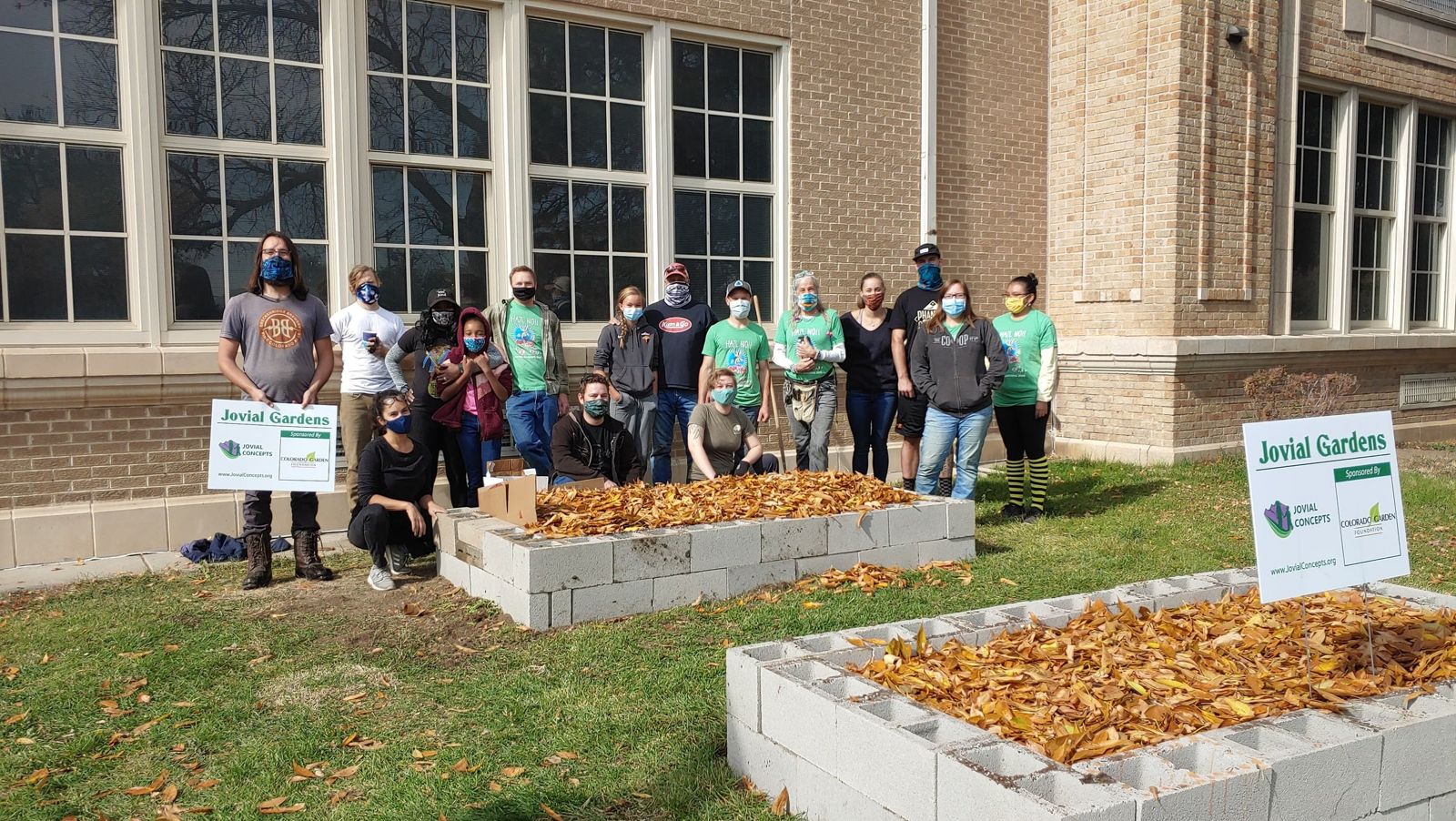
- Leave them on the ground: Where appropriate, leave leaves in lawns and natural areas rather than removing them.
- Use them around planting beds and shrubs: Leaf litter provides organic material and helps protect soil.
- Share them with a neighbor: Leaves can become a resource for someone else’s garden or compost.
The goal isn’t to create a perfectly leaf-free landscape. It’s to find ways to work with natural processes instead of treating organic materials as waste.
Sustainability Is a Community Effort
We believe meaningful climate action doesn’t always require a major change. Sometimes it begins with a small decision we make at home, in a garden, or in our neighborhood.
Leaf Your Leaves invites us to rethink fallen leaves, learn more about the ecosystems around us, and adopt practices that can become part of our community’s everyday approach to sustainability.
When small actions become established practices, they can create meaningful change over time. If you’re interested in joining our community, contact us to get involved!